Blood products
A labile blood product (LBP) is a product obtained from a blood donation and intended to be transfused to a patient. Every component plays a vital role.
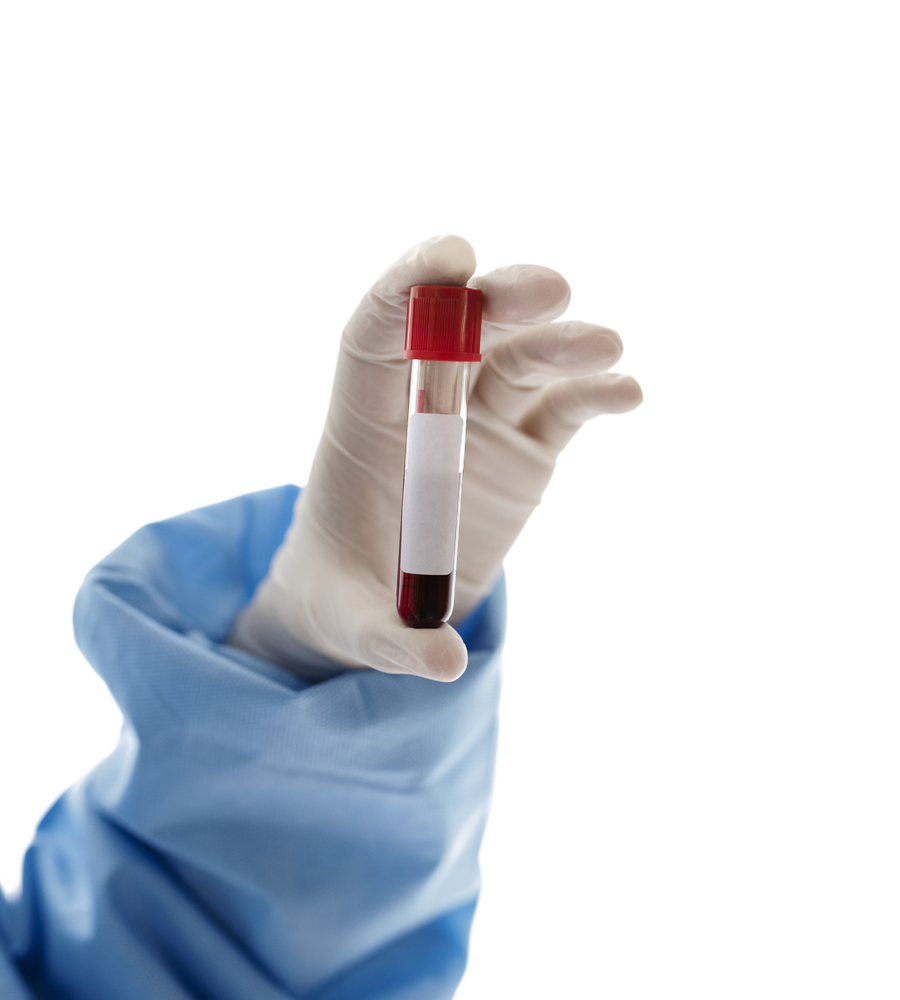
From donation to patient
One whole blood donation, three labile blood products
Donated blood (“whole blood”) is almost never transfused as it is: in the preparation laboratory, it is separated by centrifugation into its three main components.
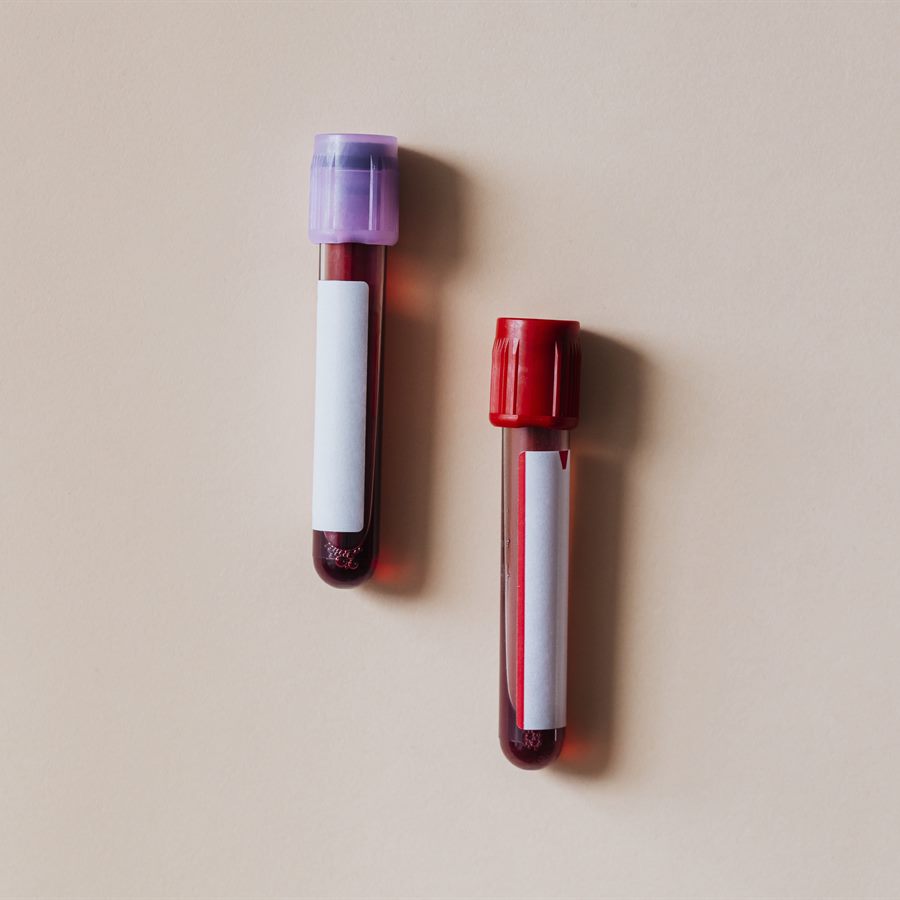
Red cells (RCC)
Carry oxygen to tissues and organs.

Platelets
Allow the blood to clot and stop bleeding.
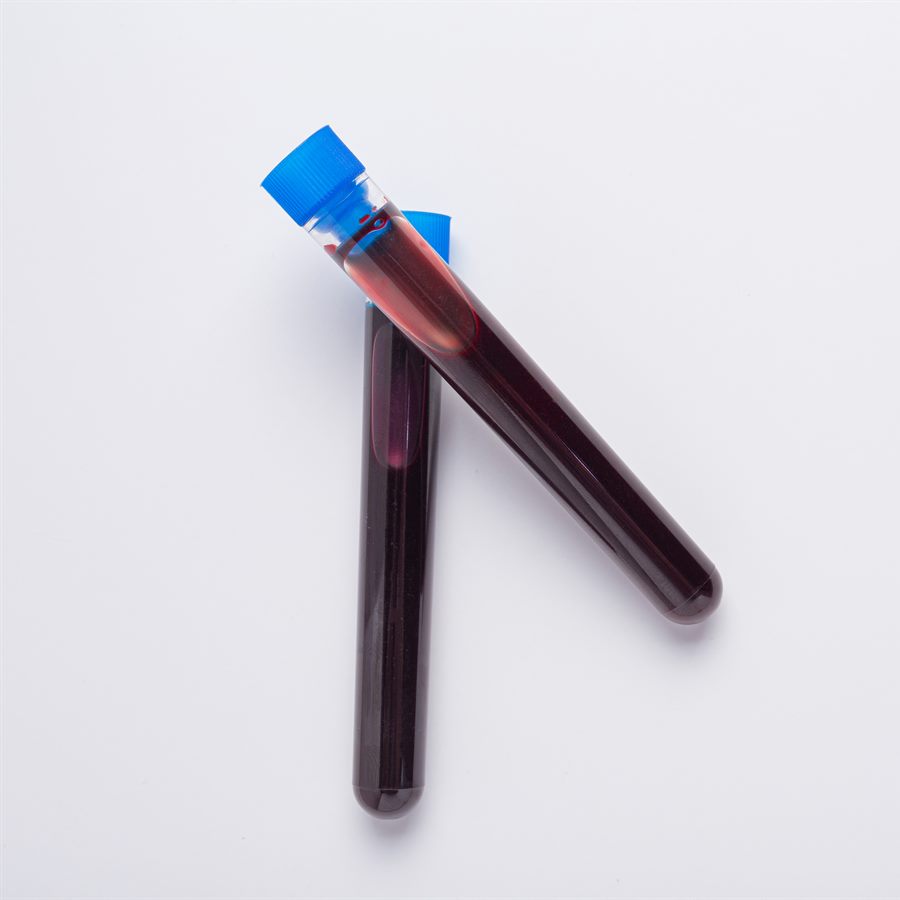
Plasma (FFP)
Contains proteins and clotting factors.
Red cell concentrate (RCC)
Obtained by centrifuging whole blood, stored for up to 42 days between +2 °C and +6 °C.
Severe anaemia, bleeding, trauma
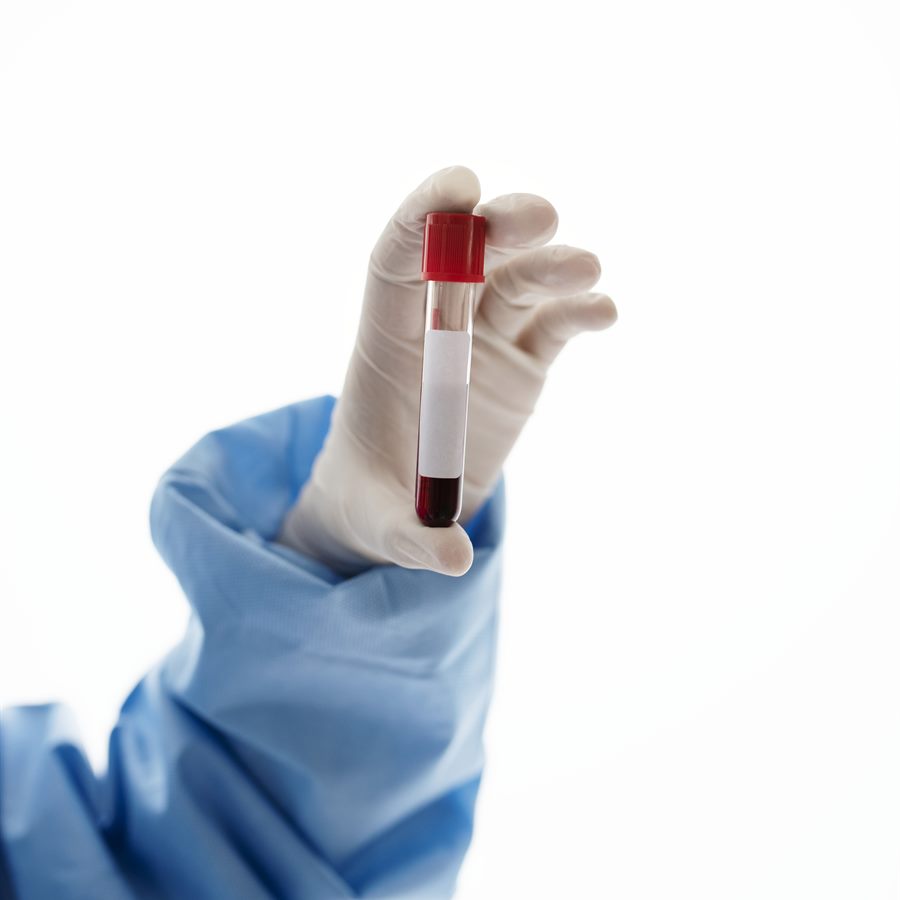
Leukocyte-depleted RCC
Leukocyte depletion limits transfusion reactions, which are common in patients receiving repeated transfusions.
Major anaemia, multi-transfused patients
Platelet concentrate
Prepared from 5 to 6 whole blood donations (pooled) or from a single donor by apheresis.
Leukaemia, chemotherapy, severe bleeding
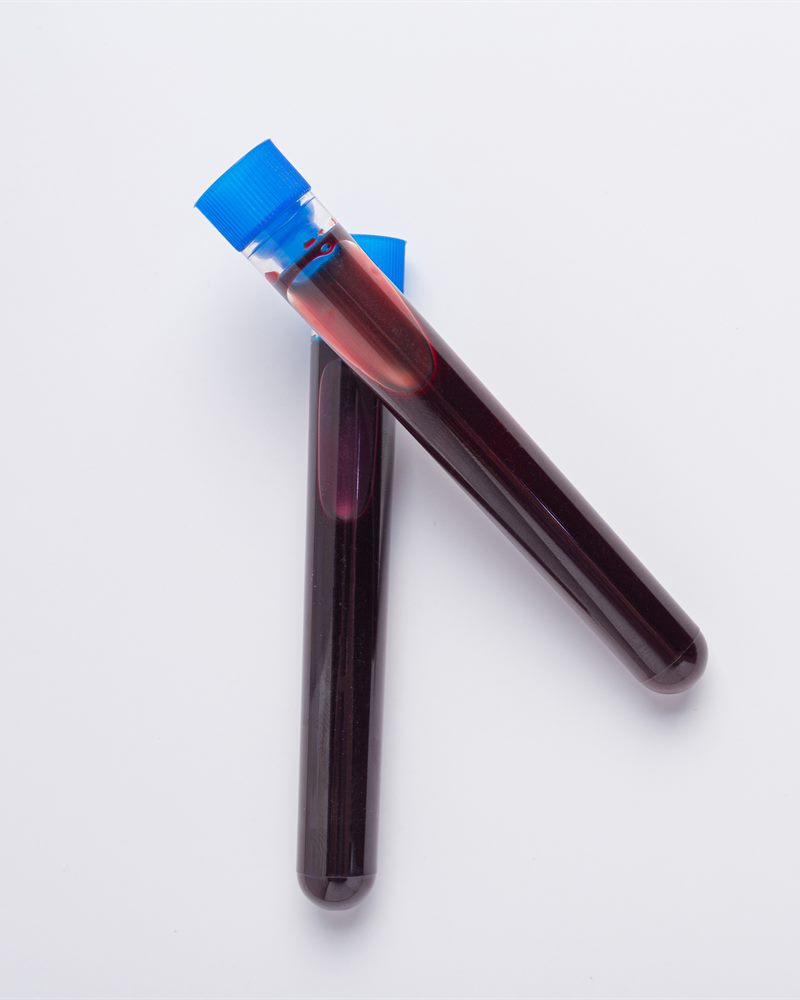
Fresh frozen plasma (FFP)
The liquid part of blood, rich in proteins and clotting factors, stored frozen.
Severe burns, clotting disorders
Labile blood products at a glance
Reference table of the three products CNTSCI prepares and supplies to health facilities.
- [ 01 ]42 days (+2 °C to +6 °C)Storage
- [ 02 ]5 to 7 days (agitated, +20 °C to +24 °C)Storage
- [ 03 ]1 to 2 years (frozen)Storage
Red cell concentrates
Stored for up to 42 days, at a legally set temperature between +2 °C and +6 °C.
Red cell concentrates (RCC), or erythrocyte concentrates, are prepared from “whole” blood after a centrifugation step.
They are stored for up to 42 days, at a legally set temperature between +2 °C and +6 °C.
- Phenotyped RCC: the donor's Rhesus - Kell phenotype is specified
- Extended phenotyped RCC: the donor's phenotype is specified for blood groups other than ABO, Rhesus and Kell
- Crossmatched RCC: after a compatibility test between the recipient's serum and the red cells to be transfused
- CMV-negative RCC: from a donor seronegative for cytomegalovirus
- Plasma-reduced RCC, with residual plasma removed
- Irradiated RCC (25 to 45 Gy), which blocks the functions of any lymphocytes present
- Frozen RCC, from donors with a rare phenotype, stored below -130 °C
- Paediatric units: small volumes of RCC for transfusing newborns
Leukocyte-depleted red cell concentrate
A replacement therapy for major anaemia.
Leukocyte-depleted RCC is indicated in all major anaemias, when restoring the blood's oxygen-carrying capacity is clinically and biologically necessary. It is a replacement therapy, not a treatment of the cause.
Leukocyte depletion limits transfusion reactions caused by anti-leukocyte or anti-platelet antibodies in the recipient, which are common in patients receiving repeated transfusions.
Platelet concentrates
Valid for 7 days under constant agitation, between +20 °C and +24 °C.
Platelet concentrates are prepared from a whole blood donation or from an apheresis donation: a procedure that collects only the platelets and returns the other blood components to the donor. A single donor then provides, in one donation, enough platelets to treat a patient.
- Pooled standard platelet concentrates: platelets from 5 to 6 donors, separated by centrifugation and then pooled
- Apheresis platelet concentrates: from a single donor
- Phenotyped: HLA (class I) and/or HPA 1 to 5 antigens determined
- CMV-negative: from a donor seronegative for cytomegalovirus
- Plasma-reduced, with residual plasma removed
- Irradiated (25 to 45 Gy), which blocks lymphocyte function
- Frozen, to extend their shelf life
Origin and safety
Products that come exclusively from voluntary blood donors.
In Côte d'Ivoire, labile blood products come exclusively from voluntary, unpaid blood donors. Strict rules govern donor selection, transport, testing and storage to keep the transfusion chain safe.
CNTSCI holds the monopoly on the collection, preparation, biological qualification and distribution of labile blood products to health facilities.
The blood collected in one bag is used to make several products that meet the requirements of transfusion medicine: red cell concentrates, platelets and plasma.
White blood cells (leukocytes) are removed during processing: if transfused, they could cause adverse reactions in the recipient.