Why donate?
Nothing can replace human blood. A single donation can save up to three lives — every day, all across Côte d'Ivoire.
Emergencies
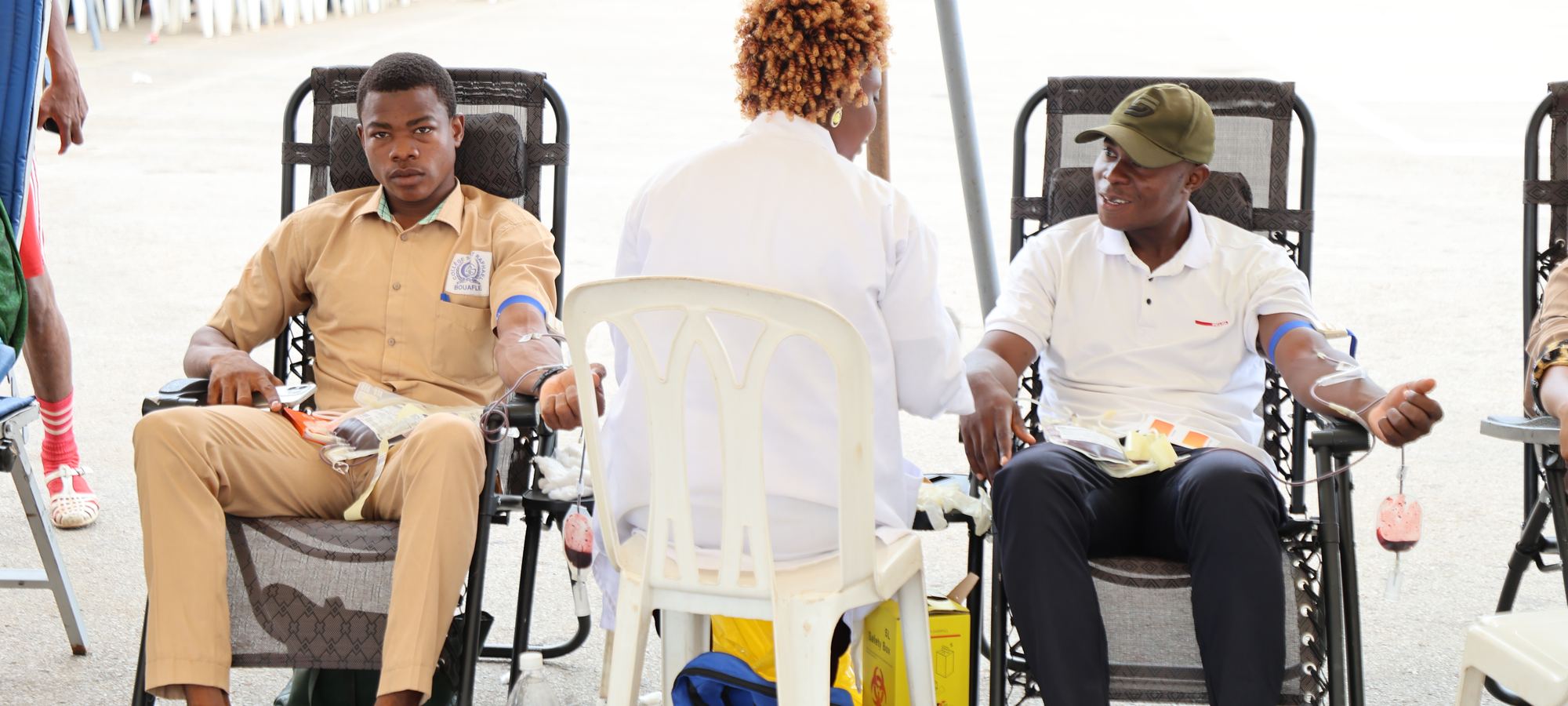
Road accidents, trauma, massive bleeding: transfusion must be immediate. Stocks therefore have to be built up before the emergency, never during it.
- Accidents & trauma
- Massive bleeding
- Intensive care
- Immediate transfusion
- Permanent stocks
Surgery
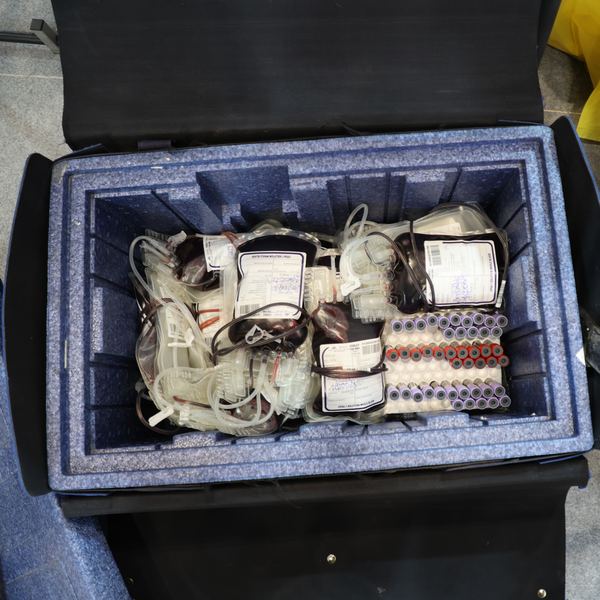
Major operations involve significant blood loss. Without available reserves, a scheduled operation is postponed — sometimes to the patient's detriment.
- Major operations
- Operating theatres
- Transplants
- Red cell concentrates
- Fresh frozen plasma
Sickle cell disease
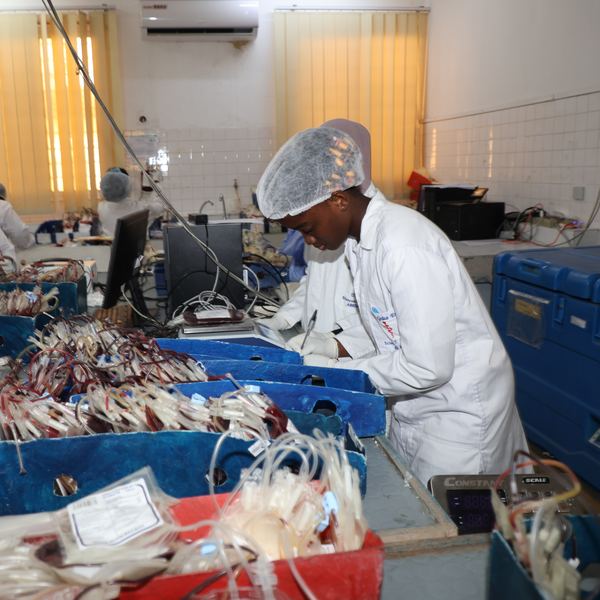
The leading genetic disease in Côte d'Ivoire, sickle cell disease requires regular transfusions throughout the patient's life. Needs are constant, not occasional.
- Regular transfusions
- Lifelong follow-up
- Exchange transfusions
- Leading genetic disease
- Care at the UTT
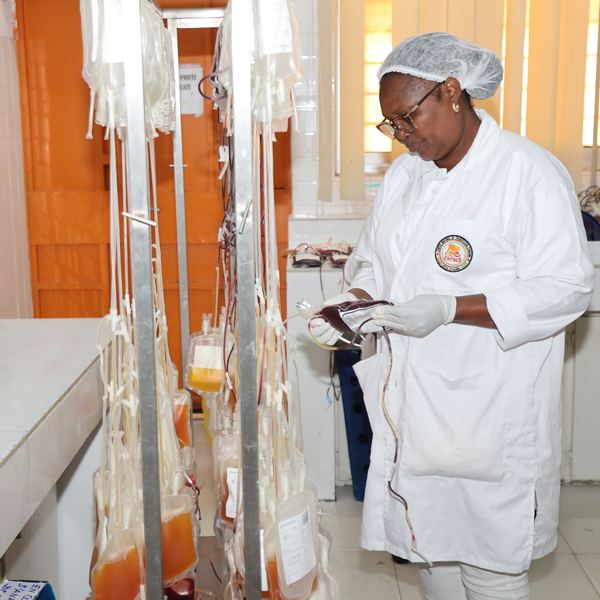
Cancer & maternity
Chemotherapy destroys platelets, childbirth haemorrhage remains the leading cause of maternal death, and severe burns require large quantities of plasma.
- Leukaemia & chemotherapy
- Postpartum haemorrhage
- Severe burns
- Platelet concentrates
- Large quantities of plasma
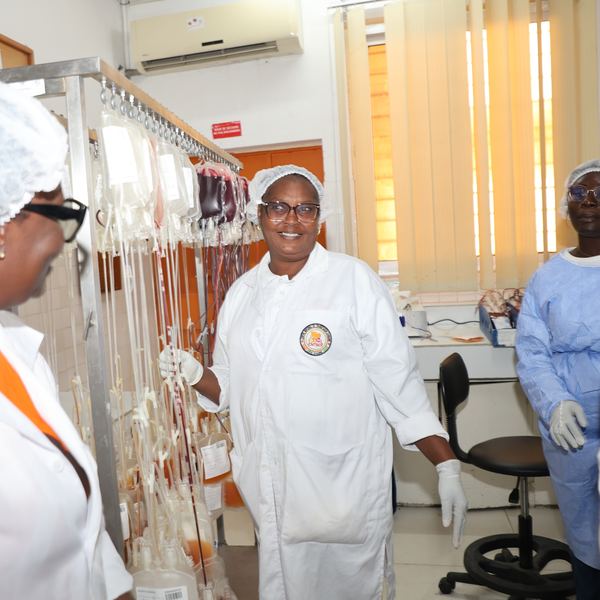
Frequently asked questions about donating
Up to three. A whole blood donation is separated into several products — red cells, platelets, plasma — which are transfused to different patients.
No. No medicine or synthetic product can replace human blood: it comes exclusively from voluntary donors.
No. Giving blood at CNTSCI is voluntary, unpaid, anonymous, safe and medically supervised. A transport allowance is simply given after the donation.
A free health check at every donation (vital signs, ABO/Rhesus blood group, screening for HIV, hepatitis B and C, syphilis), priority and free access to blood products for you and your family, and the stimulation of cell renewal.
Up to 4 donations a year for men (every 3 months) and 3 a year for women (every 4 months).